

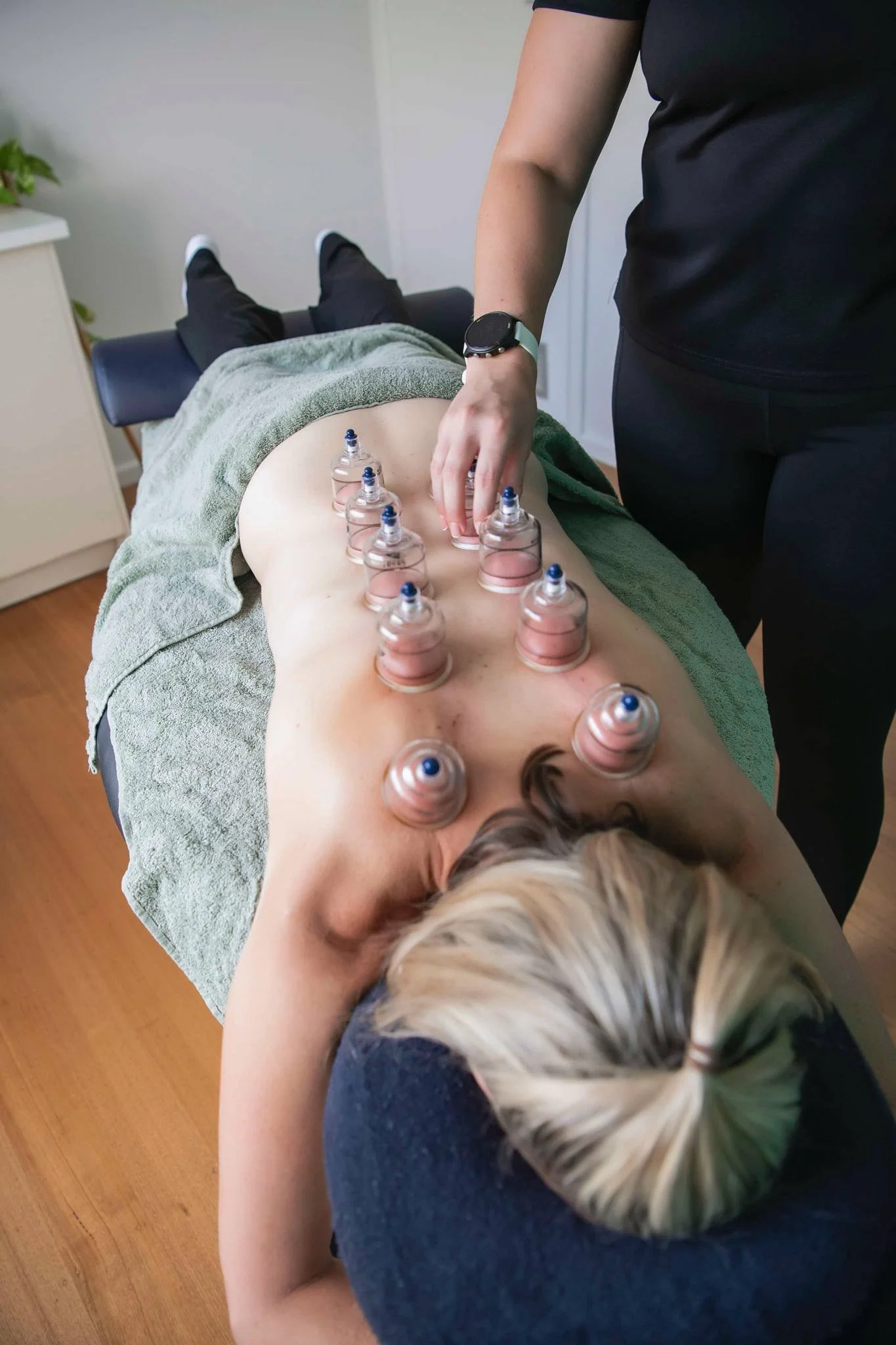
REMEDIAL MASSAGE
Recovery, Mobility, & Maintenance
At The Sports Recovery Hub, Remedial Massage is used as part of a broader approach to helping people move better, recover well, and stay active.
While Physiotherapy and Chiropractic care often focus on diagnosing injuries and guiding rehabilitation, Remedial Massage can play an important supporting role by helping manage muscle tension, improve recovery, and maintain movement between treatment sessions.
Research suggests massage therapy may help reduce perceived muscle soreness, improve short-term flexibility, and support recovery following physical activity (Davis et al., 2020; Dupuy et al., 2018).
Whether you're training regularly, managing the physical demands of work, or progressing through an injury rehabilitation program, Remedial Massage can be a valuable part of your overall recovery strategy.
When Would You See a Remedial Massage Therapist?
Many people benefit from Remedial Massage as part of their recovery and performance strategy.
Common reasons people book include:
Muscle tightness and stiffness
Recovery from training or sport
General aches and pains
Desk-related tension
Reduced mobility
Maintenance between Physiotherapy or Chiropractic appointments
Recovery during return-to-sport rehabilitation
Remedial Massage is often used alongside active rehabilitation programs to help support movement, recovery, and overall physical wellbeing.
Research indicates that massage therapy may provide short-term improvements in pain, flexibility, and delayed-onset muscle soreness (DOMS), particularly following exercise and sporting activity (Davis et al., 2020; Dupuy et al., 2018).
Our Team Approach
One of the advantages of The Sports Recovery Hub is the ability for practitioners to work together when needed.
For example:
A Physiotherapist may prescribe a rehabilitation program, while Remedial Massage assists with recovery and movement quality.
A Chiropractor may help improve mobility, while Remedial Massage addresses muscular tension and soft tissue restrictions.
Athletes may utilise Remedial Massage as part of their recovery plan during heavy training periods or competition seasons.
This collaborative approach helps ensure treatment and rehabilitation remain aligned with your goals.
What Treatment May Include?
Your session may include:
Remedial massage
Deep tissue massage
Sports massage
Trigger point therapy
Dry needling
Cupping therapy
Assisted stretching
Treatment is tailored to your individual needs, activity levels, and goals.
Who Can Benefit?
Remedial Massage may be suitable for:
Athletes
Runners
Gym-goers
Office workers
Tradespeople
Active adults
People looking to improve recovery and movement
Frequently Asked Questions
Do I Need an Injury to Book a Remedial Massage?
No. Many clients book for recovery, mobility, training support, or to manage muscular tension before symptoms become a bigger problem.
Can Remedial Massage Replace Physiotherapy or Chiropractic Care?
No. If you're experiencing a new injury, persistent pain, significant weakness, nerve symptoms, dizziness, headaches, or difficulty performing normal activities, an assessment with a Physiotherapist or Chiropractor may be more appropriate initially.
Remedial Massage is often most effective when used alongside a broader treatment or rehabilitation plan. Our team can help guide you to the most appropriate practitioner for your needs.
Should I Book a Remedial Massage, Physiotherapy, or Chiropractic Appointment?
If you're experiencing a new injury, persistent pain, nerve symptoms, dizziness, headaches, or difficulty performing normal activities, an assessment with a Physiotherapist or Chiropractor is often the best place to start.
If your goal is recovery, managing muscle tension, improving mobility, or supporting an existing rehabilitation program, Remedial Massage may be the most appropriate option.
Our team works collaboratively and can help guide you towards the right service based on your goals and presentation.
Can Remedial Massage Help With Recovery?
Many people find Remedial Massage helpful for managing muscle soreness, improving movement, and supporting recovery from training and physical activity.
Research suggests massage therapy can reduce delayed onset muscle soreness (DOMS) and may assist with recovery following exercise, particularly when used alongside an appropriate training and rehabilitation program (Dupuy et al., 2018).
How Often Should I Have a Massage?
This depends on your goals, activity levels, and recovery needs. Some people attend regularly as part of their training routine, while others book as needed during periods of increased physical demand.
Book a Remedial Massage
Whether you're recovering from training, managing muscular tension, or looking to support your rehabilitation and performance goals, our Remedial Massage therapists can help keep you moving well and feeling your best.
References
Davis, H. L., Alabed, S., & Chico, T. J. A. (2020). Effect of sports massage on performance and recovery: A systematic review and meta-analysis. BMJ Open Sport & Exercise Medicine, 6(1), e000614.
Dupuy, O., Douzi, W., Theurot, D., Bosquet, L., & Dugué, B. (2018). An evidence-based approach for choosing post-exercise recovery techniques to reduce markers of muscle damage, soreness, fatigue, and inflammation: A systematic review with meta-analysis. Frontiers in Physiology, 9, 403.
Weerapong, P., Hume, P. A., & Kolt, G. S. (2005). The mechanisms of massage and effects on performance, muscle recovery and injury prevention. Sports Medicine, 35(3), 235-256.